Protecting Property Values With HOA Septic System Inspections
Urgent Services LLC • August 19, 2026
Managing a neighborhood means making sure the shared infrastructure actually works. When a communal waste setup fails the entire block deals with foul odors and massive repair bills. At Urgent Services LLC we keep neighborhood systems running lean and clean. Routine HOA septic system inspections catch small problems before they turn into neighborhood disasters.
A lot of boards wait until sewage bubbles up in the street before calling a contractor. Playing catch up with underground plumbing drains your community budget fast. Staying ahead of the wear and tear protects property values across the board. Follow these practical tips to keep your shared systems operating the right way.
What We Cover:
- Tip 1: Track The Sludge Levels
- Tip 2: Monitor The Drain Field
- Tip 3: Inspect The Baffles
- Tip 4: Check The Alarm Systems
- Frequently Asked Questions
Tip 1: Track The Sludge Levels
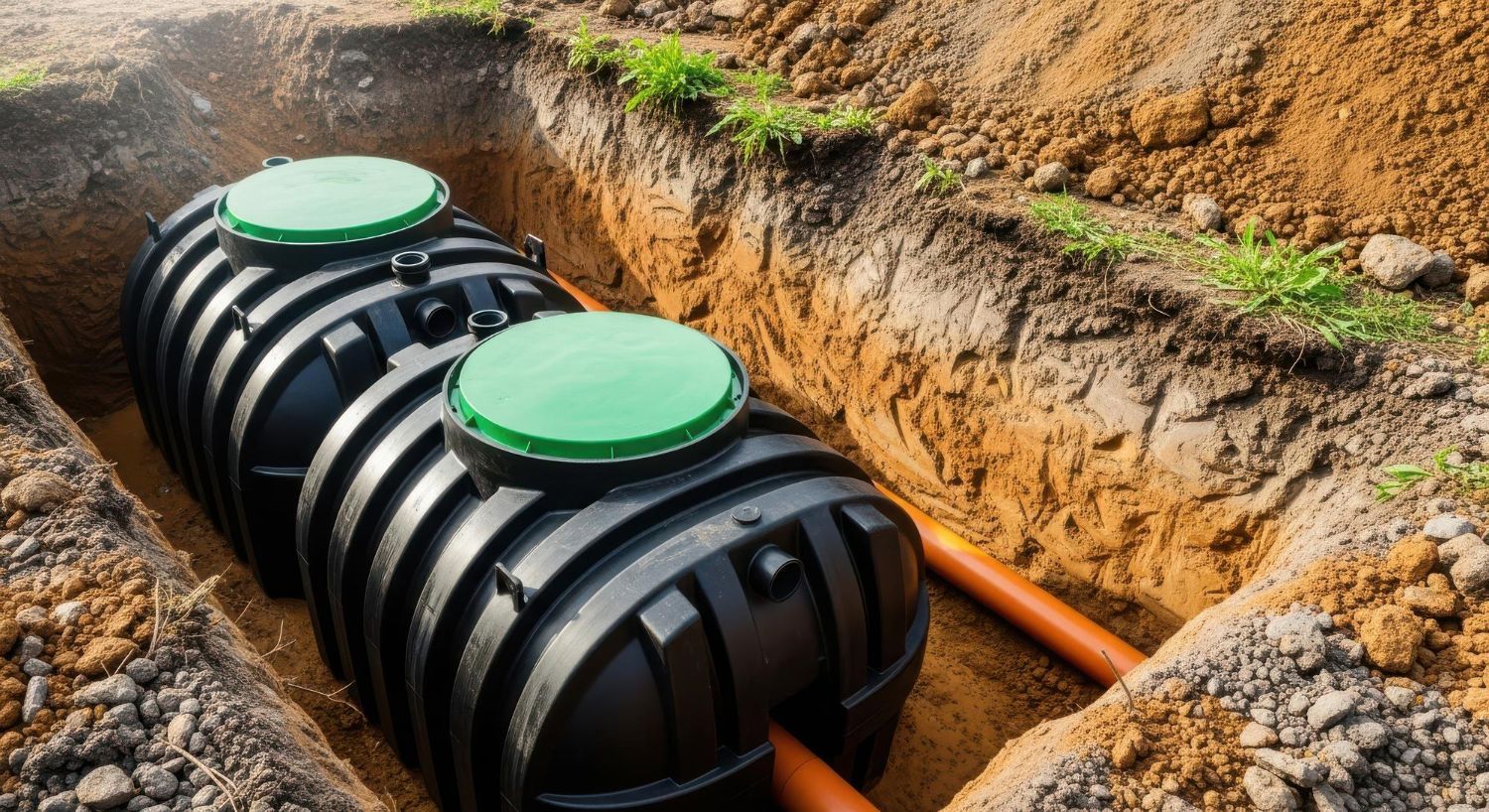
Communal tanks take a serious beating from dozens of houses flushing waste every single day.
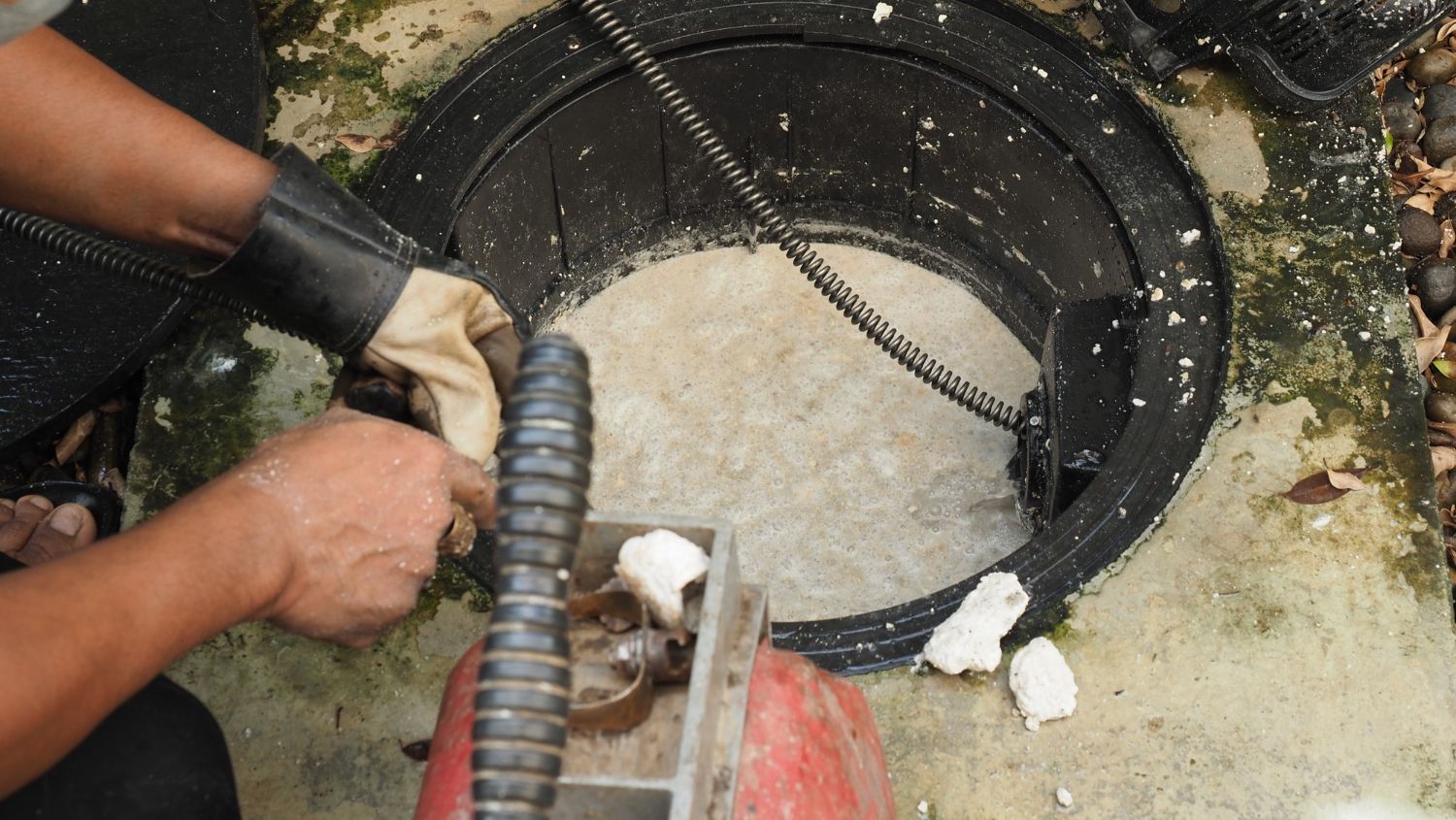
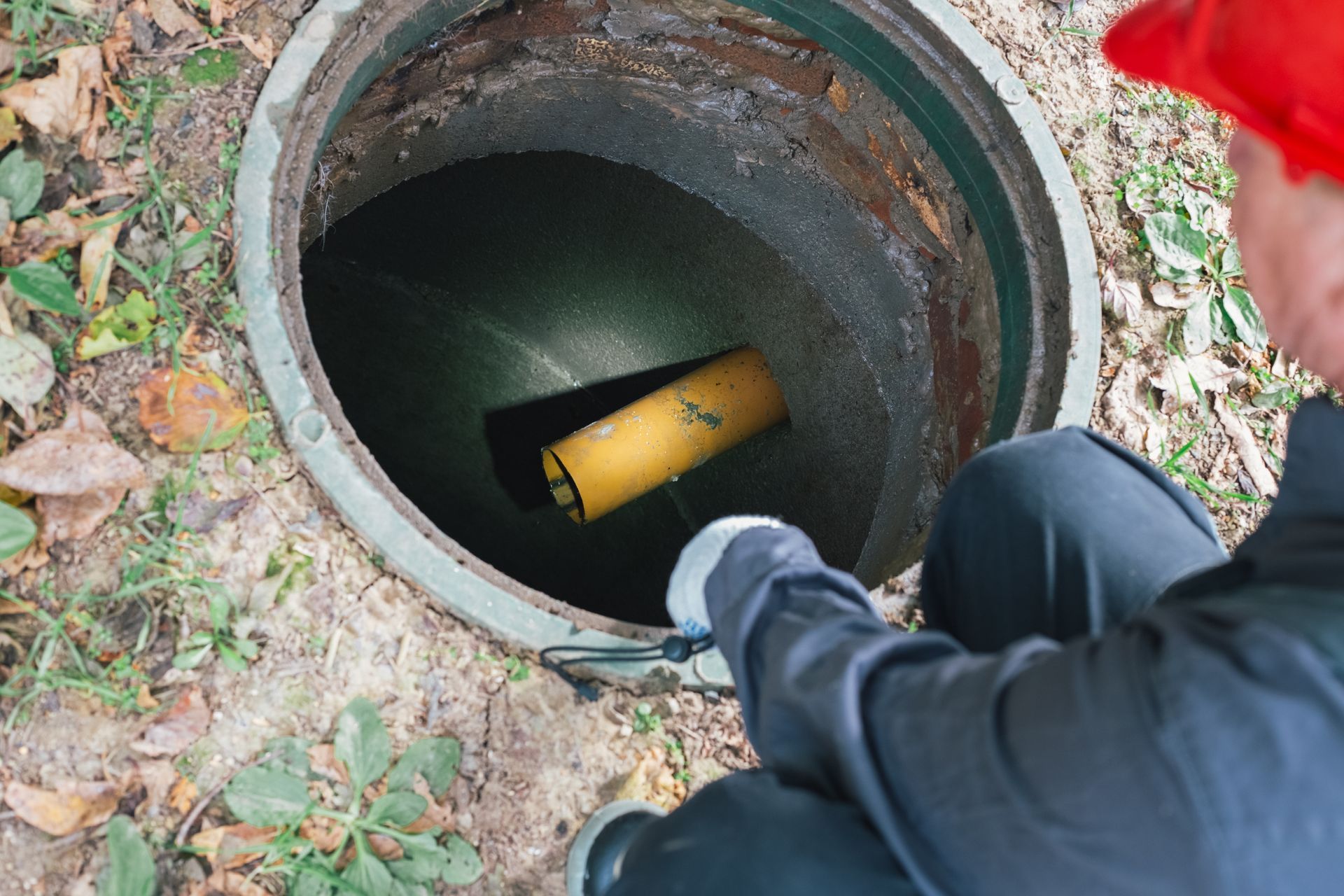
- Volume Checks: We drop a gauge into the tank to measure exactly how thick the heavy sludge is getting at the bottom.
- Pumping Schedules: If the solids fill more than a third of the space the entire container needs to be pumped out immediately.
- Usage Spikes: Neighborhoods with large families fill up capacity faster and need more frequent evaluations to stay safe.
Tip 2: Monitor The Drain Field
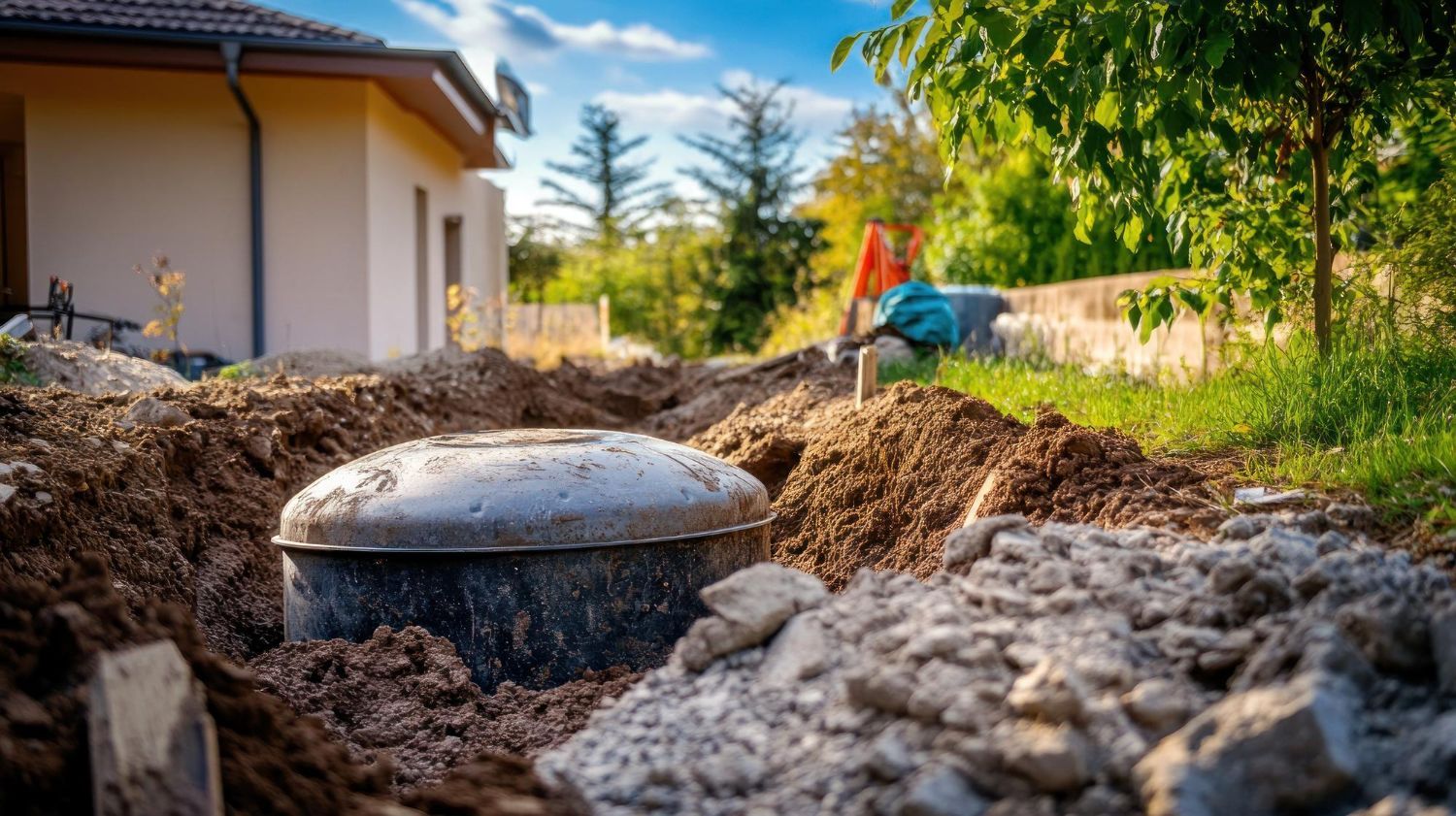
The absorption trenches do all the heavy lifting to filter wastewater back into the earth.
- Soggy Ground: We look for swampy patches of grass that signal the underground trenches are completely saturated and failing.
- Root Invasions: Trees planted too close to the layout will send roots directly into the PVC pipes and crush them.
- Vehicle Traffic: We make sure nobody is parking heavy trucks over the absorption area and compacting the vital soil.
Showing up on time and knowing the hardware inside and out is exactly how we operate.
►Client Experience: Carly Aikens shared "Showed up on time. Job completed as discussed during phone call. Matt is incredibly knowledgeable about septic systems."
Trusting a crew that gets straight to work means your neighborhood problems are solved without any runaround.
Tip 3: Inspect The Baffles
Baffles keep the floating grease from escaping the main tank and clogging the outdoor trenches.
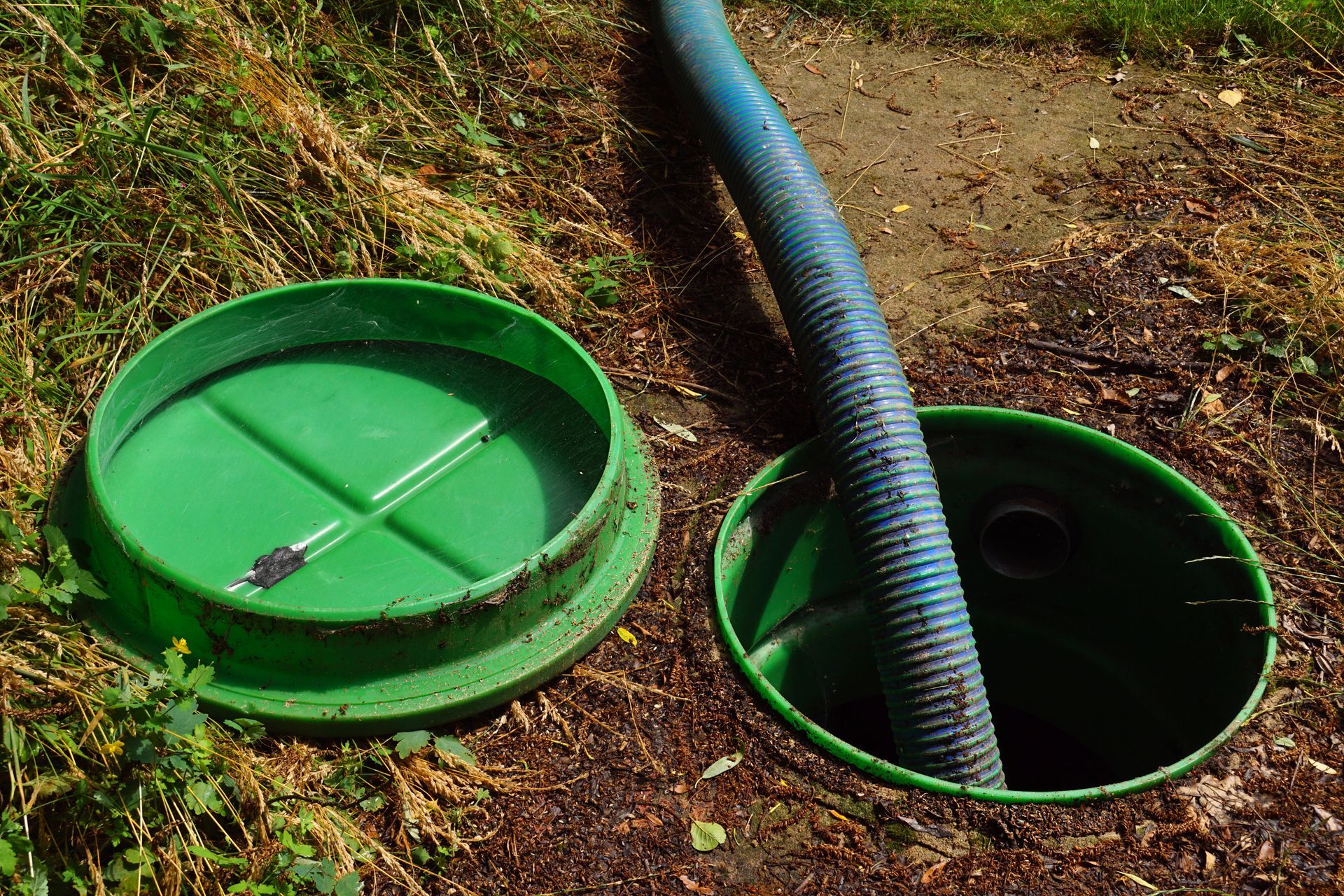
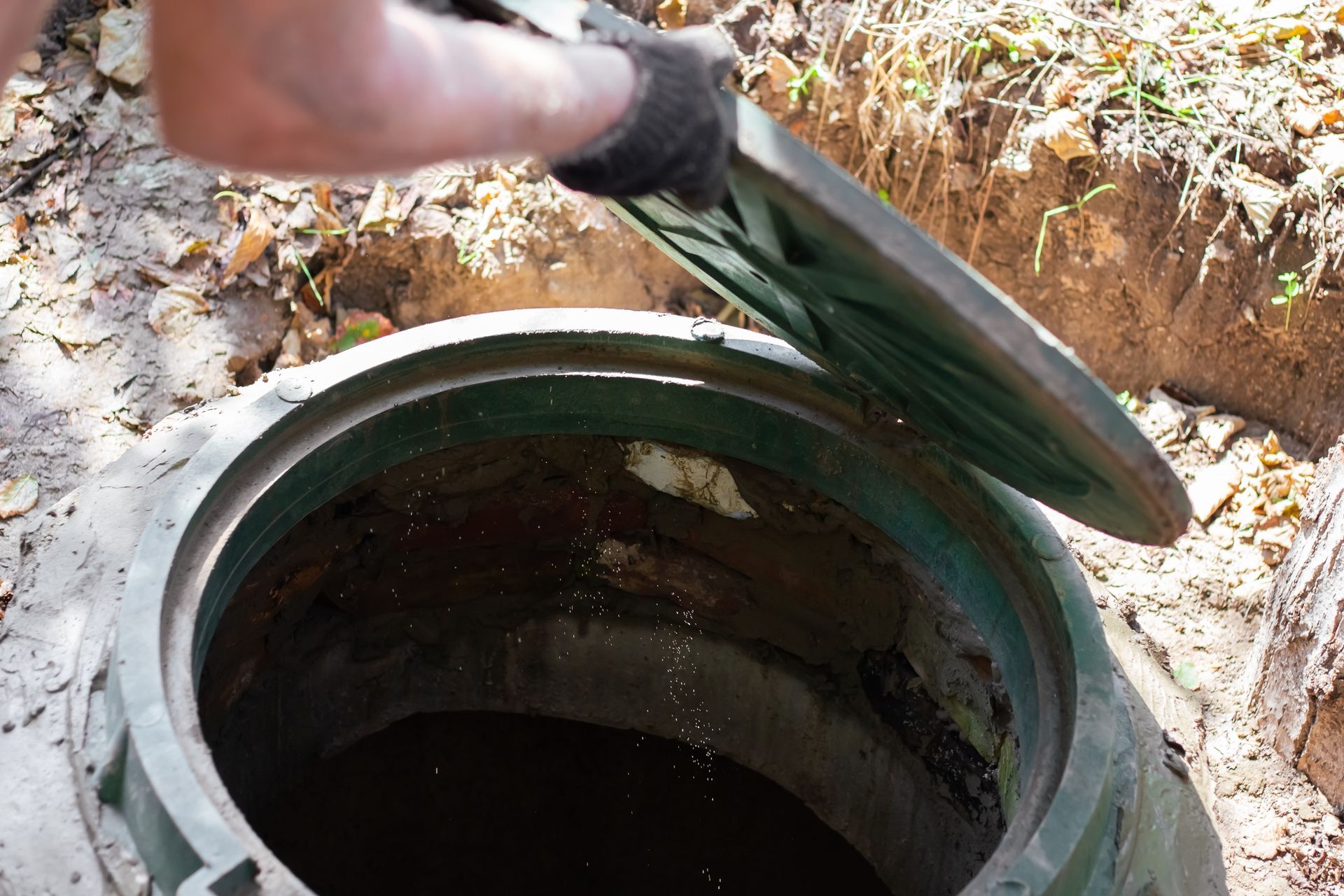
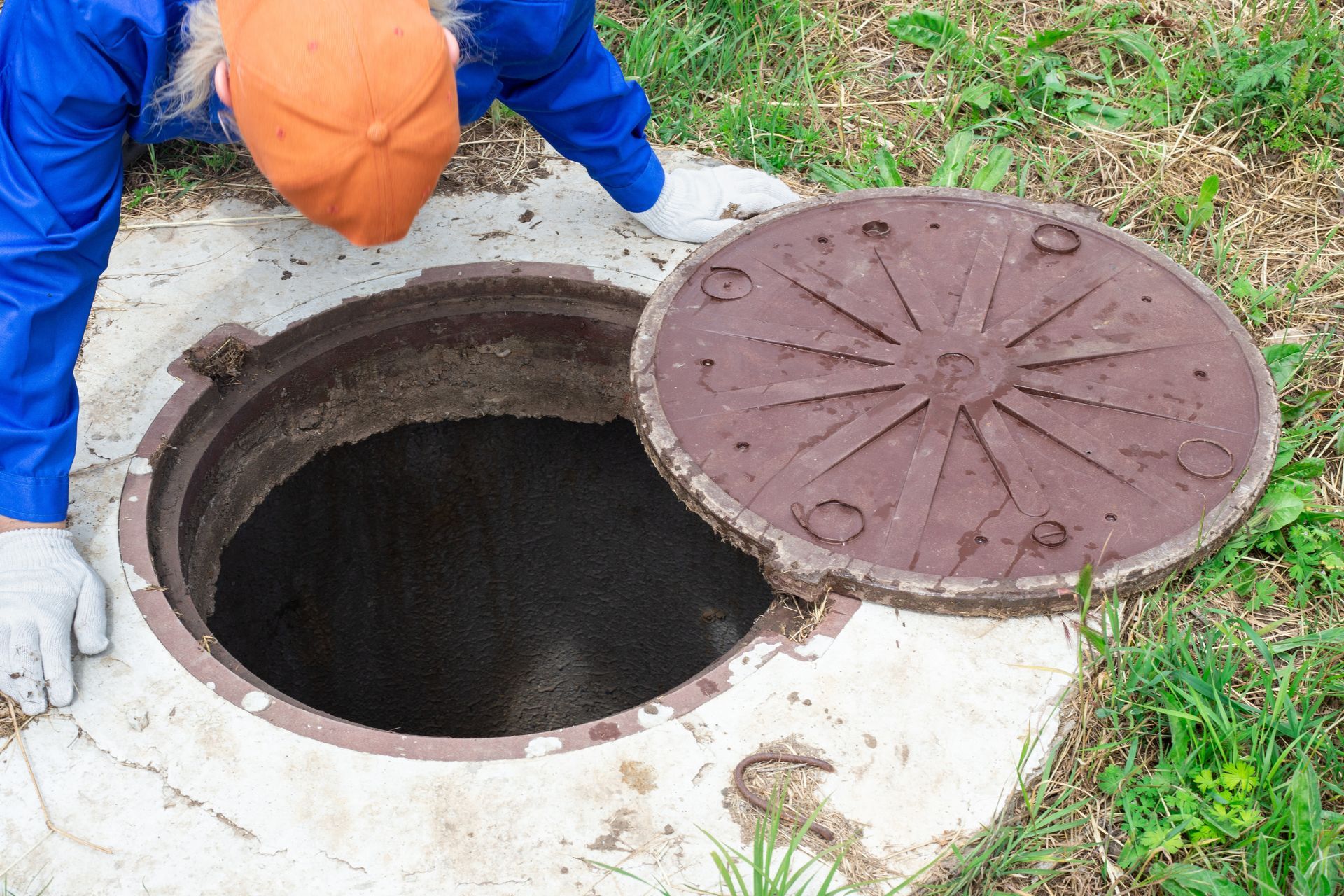
- Visual Checks: We open the lids and physically check that the inlet and outlet baffles are still attached to the concrete walls.
- Rust Damage: Older metal baffles rot away from the acidic gases and must be swapped out for durable plastic parts.
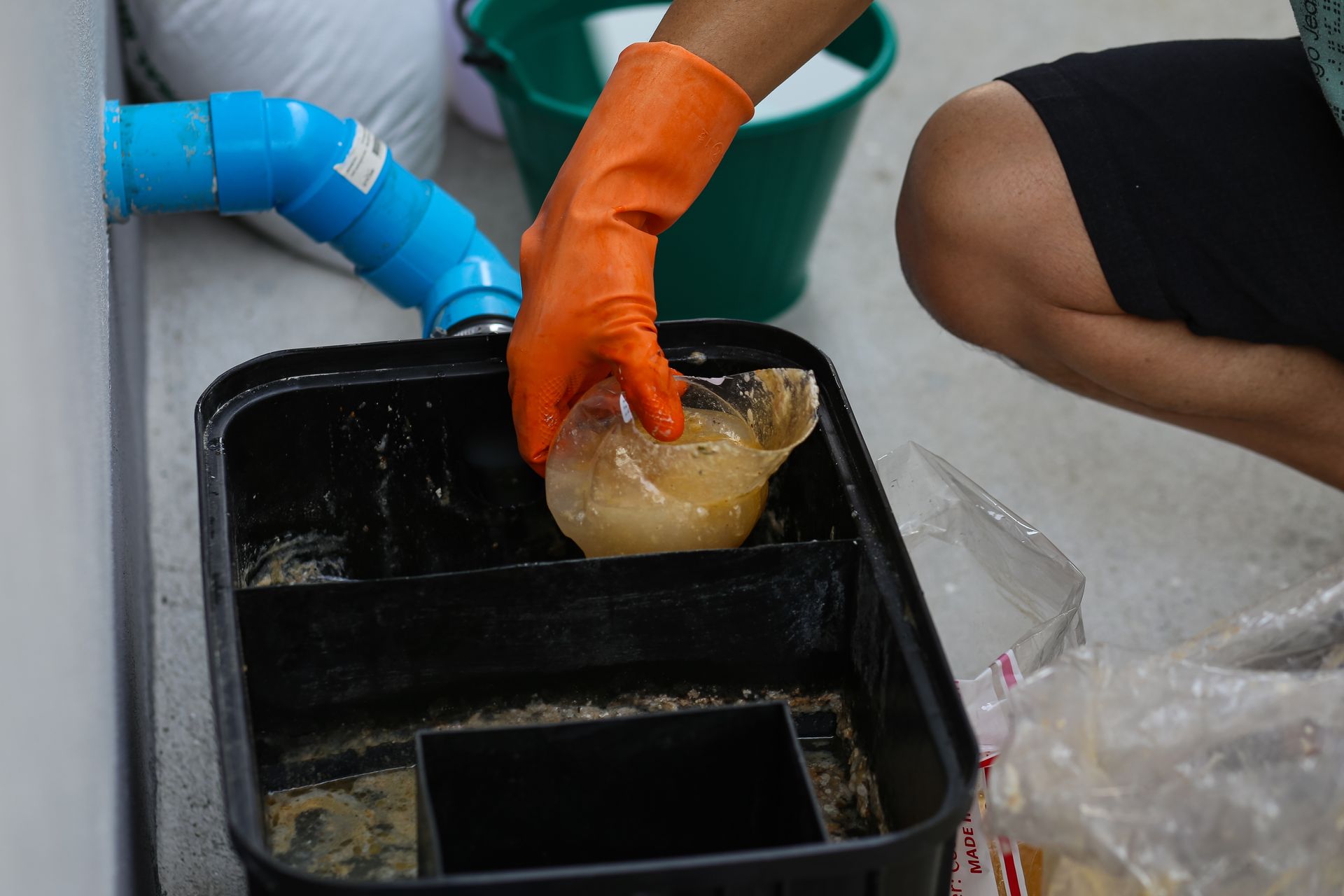
- Filter Cleaning: We pull the outlet filters and spray off the thick grime so water can flow freely out to the yard.
Tip 4: Check The Alarm Systems
Modern shared setups use mechanical pumps to push water uphill to the treatment zones.
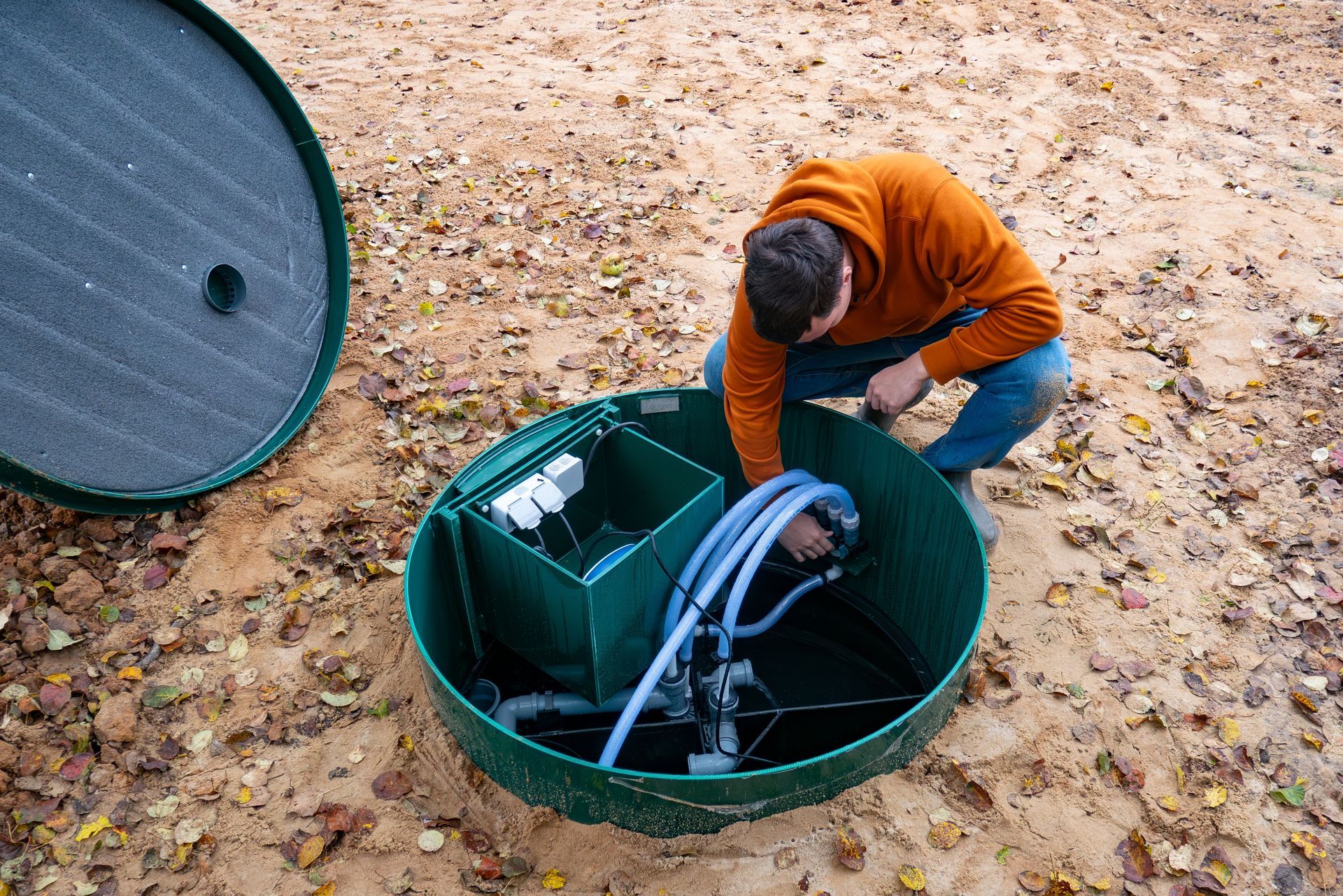
- Float Switches: We test the electrical floats inside the pump chamber to ensure they trigger the motor at the right water level.
- Warning Buzzers: We trigger the high water alarm manually to guarantee the siren and flashing lights actually work during an emergency.
- Wiring Inspections: Our guys look for corroded electrical connections that could fail during a heavy rainstorm.
Frequently Asked Questions
How often should an HOA schedule a system check?
A shared neighborhood setup needs a professional look at least once a year to stay compliant and safe. High volume systems might require a check every six months to measure sludge depth and ensure the pumps are handling the daily flow correctly.
Can tree roots destroy underground waste lines?
Yes. Tree roots seek out moisture and will squeeze through tiny joints in your underground PVC pipes. Once inside the roots expand and create a massive blockage that eventually cracks the plastic and forces sewage to back up into the connected homes.
What happens when a shared leach field floods?
When a communal leach field floods the soil can no longer absorb any liquid. The raw wastewater pools on the surface of the grass and creates a severe biohazard. The only fix is resting the field or bringing in heavy machinery to dig fresh trenches.
Secure Your Neighborhood Today
You do not have time to mess around with unreliable contractors when the whole block is relying on you. Bring in a hardworking team to evaluate your shared plumbing and keep everything flowing. Call us today to get your neighborhood on a solid maintenance schedule.
Share This Blog